



By Kay O'Donnell, Vice President, Waltham Petcare Science Institute
One positive outcome of the COVID-19 pandemic is that it has thrown light on some of the remarkable work women are doing across many different scientific disciplines. Not only the breakthroughs in developing a vaccine, but also the doctors, geneticists, and science communicators who have stepped up to guide us through one of the most tumultuous periods of many of our lifetimes.
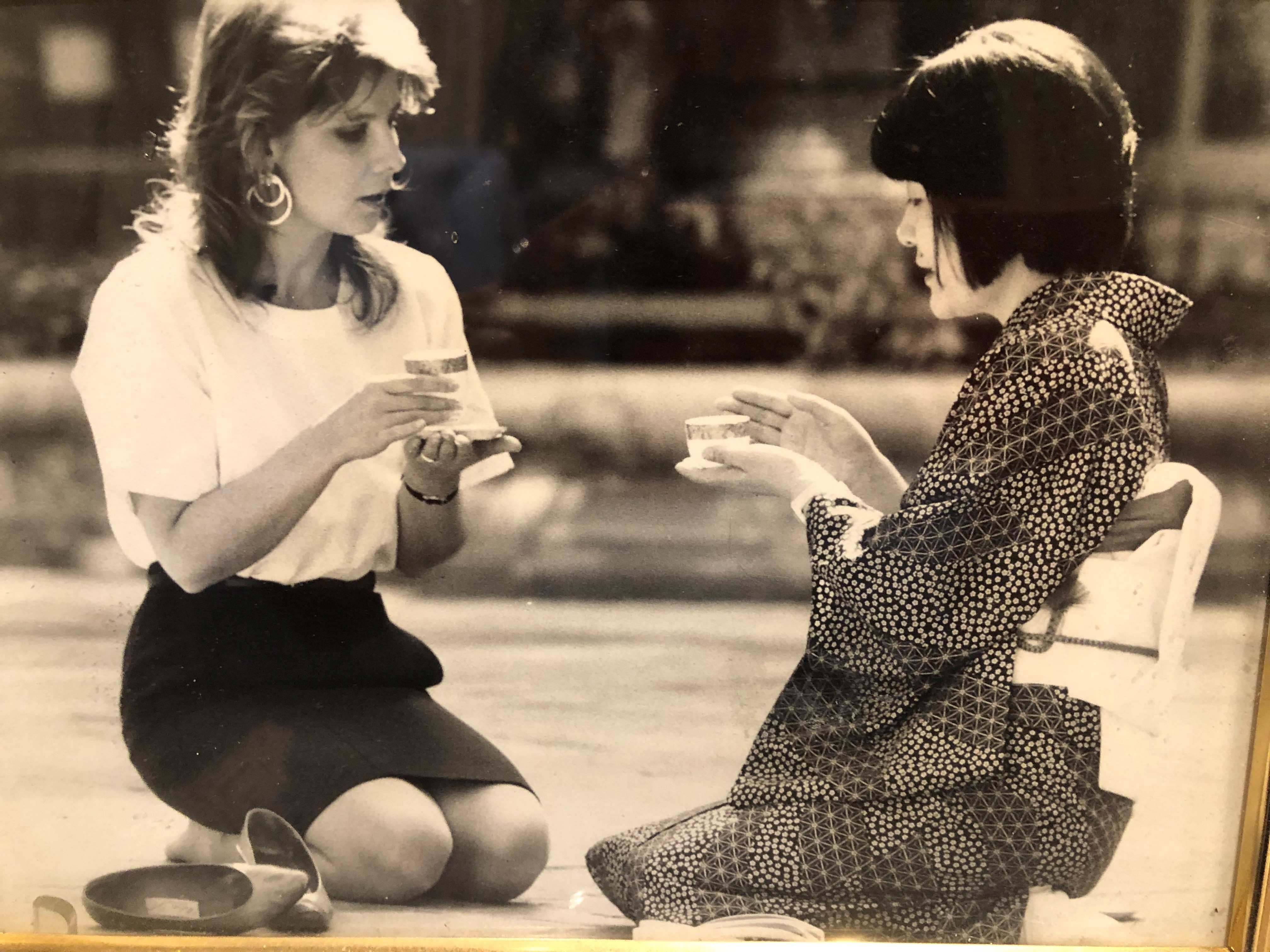
For me, it has served as a powerful reminder of just how dramatically the scientific world has changed since I started my career. When I first graduated and was working in technical sales, as a woman, I felt I was viewed as a novelty. While there were of course other female scientists around at the time, most weren’t particularly visible or well-known outside of their particular research area. Back then, the female role models I looked up to were considered “women who went against the grain”.
Today, the world of science is markedly more inclusive, yet we still have a long way to go. While the scale is certainly beginning to balance out, women still represent just 33.3 % of researchers globally, according to UNESCO. So, where do we go to build on progress from here?
Opening the door for the next generation through imagination
Science is the most powerful tool we have for improving both human and animal health and wellbeing. At its core, science – and particularly life sciences, which is my area of interest – involves asking important questions about the world around us and how it works, and then working out how to change it for the better. But if the pandemic has taught us anything, it is that science is a team sport. Of course, we need healthcare workers, but we also need statisticians, data scientists, engineers, biochemists and communicators, all working together to be able to problem solve. And that means we need the expertise and creativity of people from all different backgrounds and walks of life.
In order to bring more women from diverse backgrounds into the fields of science, technology, engineering and mathematics (STEM), we need to capture their imagination from a young age, painting a more attractive, inspirational picture of what working in these fields really looks like. We must show this next generation the true breadth of opportunities available to them and the many different paths studying STEM can open up and motivate them to become part of the change we all want to see.
The wonderful thing about studying any STEM subject is that it will equip you with transferable skills applicable to almost any industry. The ability to identify what question are we trying to answer, design work, objectively analyze and assess evidence, translate and communicate what it means to stakeholders in an engaging and compelling way is transferable across many roles. I know this to be true as in my own career I have made several significant career shifts, often unplanned opportunistic changes: from academia to industry, from technical development to sales, from general management, running businesses and global science teams in human food and health to global science teams in pet care. These shifts were tough, potentially risky and early in my career often male dominated. I was pushed well outside my comfort zone, but developed and built on the core skills learned through my STEM studies.
Like many, I didn’t have a plan for every step of my career journey, however my first degree in Food Technology and further research into the Biochemistry of Taste set me up with a grounding in science and a credibility as a scientific technical specialist that has helped me throughout my career, from my first job after academia working with sugar substitutes and sweeteners for Coca-Cola, all the way through to my current role at the helm of Waltham, leading a dynamic, evolving research team that studies all aspects of pet health, nutrition wellbeing and human-animal interaction.
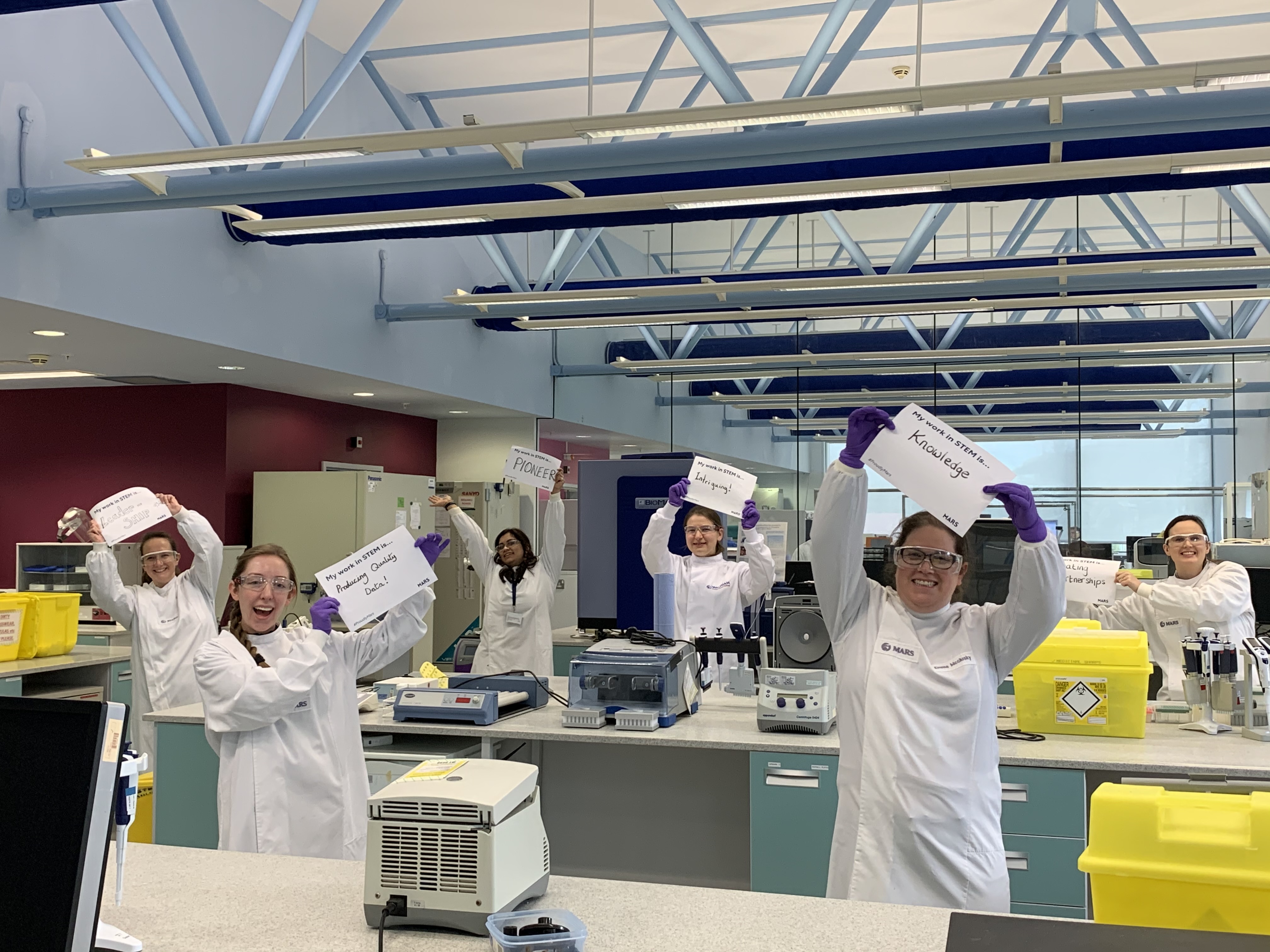
I believe we all have an innate curiosity about the world around us and how it works – ultimately, that curiosity is the gateway to scientific discovery. The key is nurturing that curiosity in the next generation – showing young girls and women how their curious minds can help to change the world for the better in many diverse ways – for example understanding the impact of pets on loneliness, why smaller dogs are at higher risk for dental disease or the relevance of the microbiome to pet health. My team is encouraged to embrace this curiosity and creativity through their research everyday – to think outside the box and ask more and different questions to find better solutions to keep pets healthy for longer.
A bright future
As I look ahead to the future, I am hugely optimistic. Already, some of the constraints that have previously held women back are finally falling away. The pandemic has opened our eyes to a different way of working, giving everyone more space and flexibility than ever before to better balance fulfilling professional lives with our personal lives and family commitments. And I truly believe this is the new normal.
Women in science have also gained greater visibility in the last two years than ever before. These new role models are truly inspirational, both to women like myself, who have already carved out a career, and those just starting out their journeys. They are holding open the door for a new generation of women and girls who, I have no doubt, will go on to shape a brighter future.


