


From one crop to a whole farm: The next chapter in our work with India's mint growers
Building on the learnings of its Shubh Mint program, the $22.4 million Shubh Samriddhi initiative supports mint-farming families across crops and seasons in India.
Ask a farmer in Uttar Pradesh, India, what they grow, and the answer probably won’t be just mint.
It may be mint and potatoes. Mint and rice. Mint and mustard. In fact, mint contributes about one-quarter of a typical mint farmer’s household income in the region, with local families earning their livelihoods across multiple crops and income sources throughout the agricultural year.
Those livelihoods sit at the center of one of the most important mint-growing regions for both Mars and the global supply chain. In fact, around 80% of the world’s natural menthol is linked to mint grown in India, with Uttar Pradesh contributing the vast majority of the country’s supply.
As a top five mint buyer, Mars relies on the region as a key source of the natural menthol used in its iconic brand brands including ECLIPSE®, Orbit®, AIRWAVES® and EXTRA®, making the long-term resilience of farming families and communities critical to the future of the mint ecosystem.
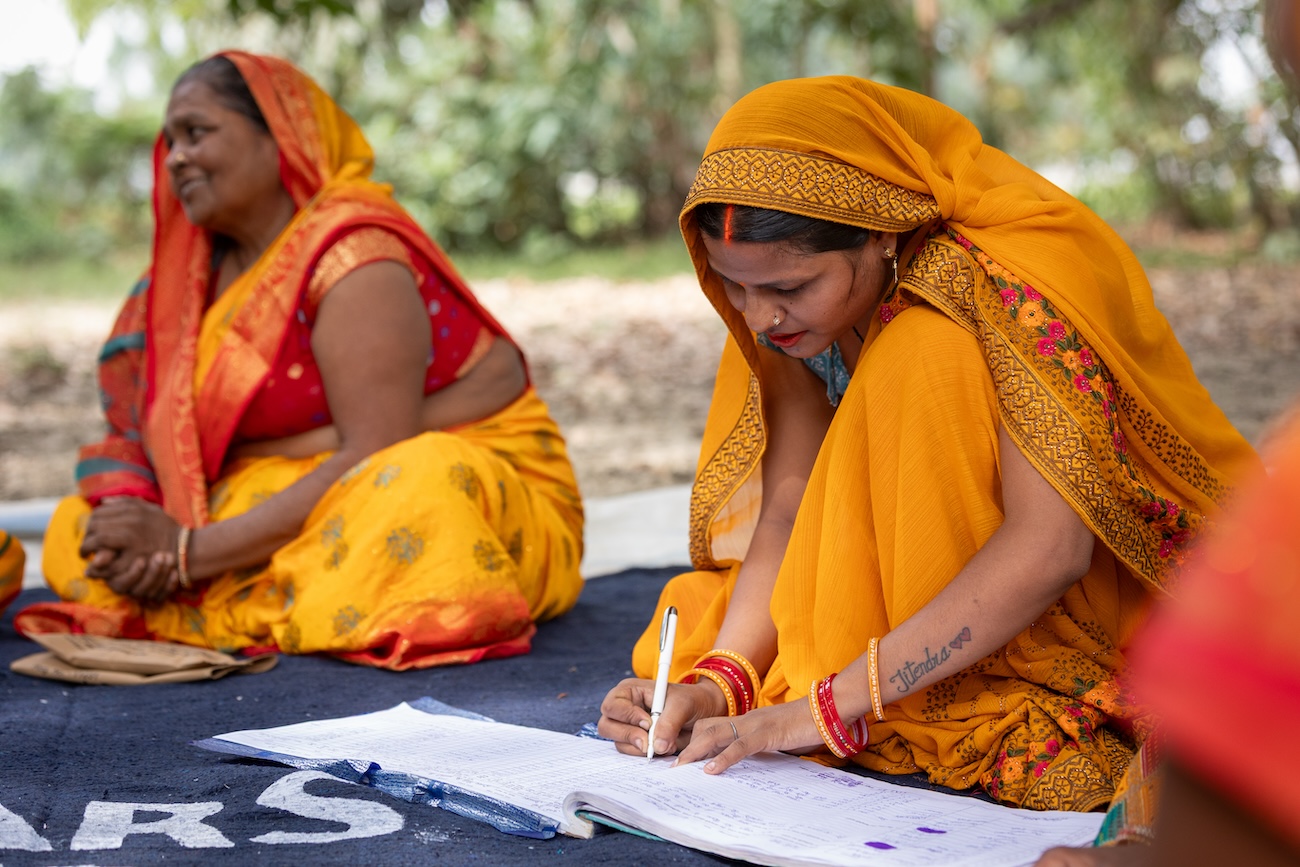
That’s the thinking behind Shubh Samriddhi, a new $22.4 million, multi-year initiative designed to strengthen farming livelihoods and build more resilient mint-growing communities and supply chains in Uttar Pradesh.
Conceived as an evolution of the company’s Shubh Mint program, Shubh Samriddhi takes a full-farm and ecosystem approach, supporting mint farming families across crops, seasons and income sources while advancing women's economic agency and community resilience. Key to the program is an ecosystem of collaborators with expertise across these dimensions.
“At its core, Shubh Samriddhi is a farmer-forward program,” said Amanda Davies, Chief R&D, Procurement and Sustainability Officer, Mars Snacking. “The lessons from Shubh Mint challenged us to think beyond traditional sourcing programs and focus on the broader systems that shape resilience. By bringing together collaborators with different expertise and perspectives, we're better positioned to support the realities farmers navigate every day and build impact that lasts for generations.”
What Shubh Mint taught us
The path to Shubh Samriddhi began in 2017, when Mars and implementation expert Tanager launched Shubh Mint to help strengthen farmer livelihoods and the long-term resilience of India's mint industry.
Over six years, the program reached 24,000 growers, on average more than doubling their incomes from mint, training over 8,500 women in agricultural practices and supporting 1,000 women in establishing their own independent income-generating businesses.
Yet even after more than doubling mint incomes, many farming families continued to fall short of living income thresholds.
Through years of engagement with growers and communities, Mars and its collaborators learned an important lesson: improving returns from one crop, however significantly, may not be enough to strengthen a mint farmer’s household economic resilience, particularly when other income sources are also exposed to economic and climate-related challenges.
The Shubh Samriddhi evolution
Shubh Samriddhi moves beyond improving mint yields to helping strengthen livelihoods for farmers who grow mint and other crops and build more resilient communities and supply chains through four interconnected pillars, with women’s economic empowerment at its heart:
- Full-farm approach: Support 26,500 farming households in improving agricultural incomes through the adoption of agricultural practices across mint and rotational crops such as potato, mustard and rice.
- Women’s economic empowerment: Strengthen women’s access to skills, resources, financial services and entrepreneurship opportunities, enabling them to pursue additional income sources and play a greater role in household financial decisions. This includes supporting 400 self-help groups towards financial and operational self-sustainability and 100 women-led enterprises.
- Sustainable supply chains: Build a more resilient mint supply chain through farmer capability-building, improved infrastructure, more transparent purchasing and more.
- Community resilience: Support essential community services and systems, such as early childhood care and learning, child nutrition, safe drinking water and sanitation.
Advancing mint together
Helping strengthen livelihoods, expand economic opportunities for women, support community wellbeing and build a more resilient mint value chain requires different perspectives and capabilities working together. That's why Shubh Samriddhi brings together an ecosystem of collaborators spanning agriculture, women's empowerment and community resilience.
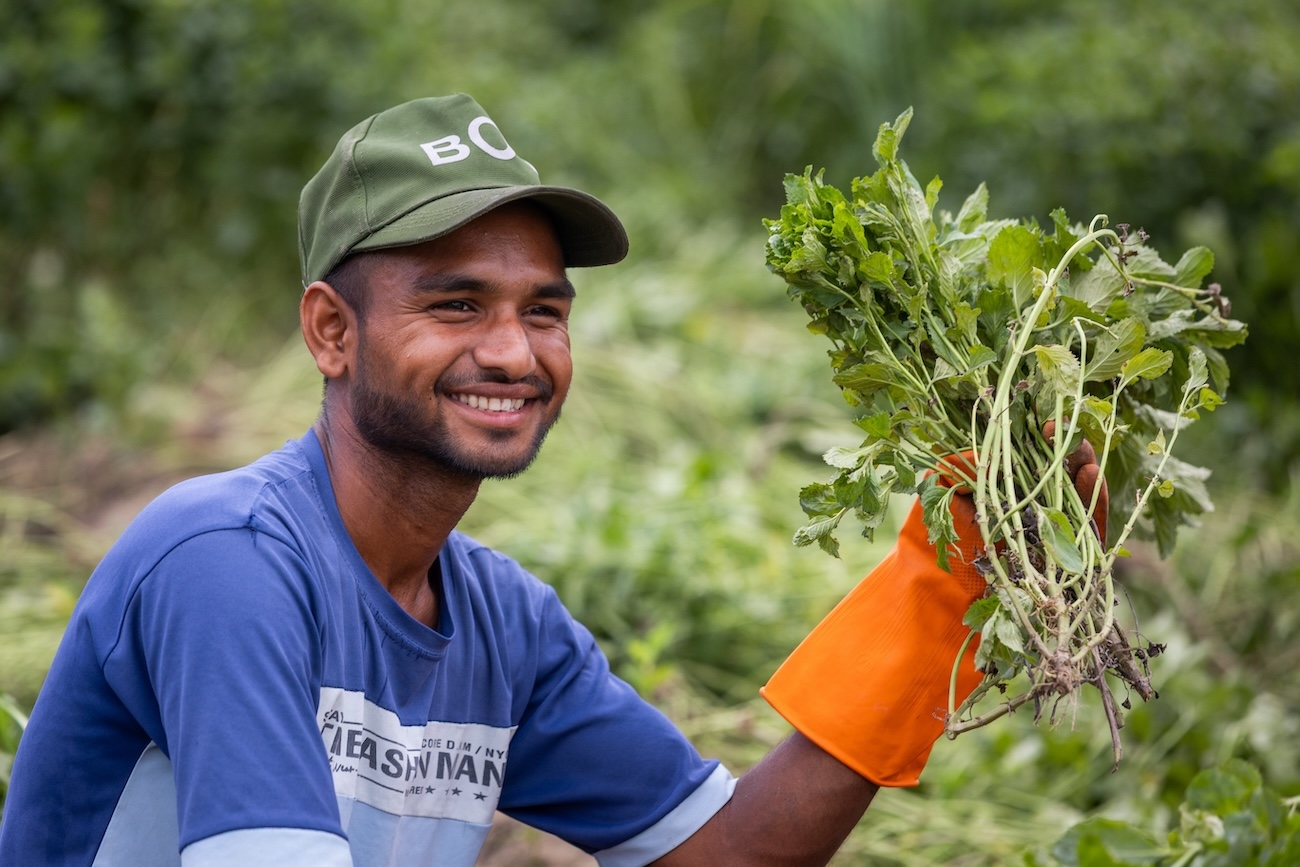
The initiative represents a collective investment of $22.4 million, including support from the Mars Impact Fund, the German Federal Ministry for Economic Cooperation and Development (BMZ), Callisons and Norex Flavours. Program collaborators include Tanager, the Institute for Development Impact (I4DI), The Centre for Child Rights and Business and Dalberg.
Together, these organizations share a common goal: helping farming families build stronger livelihoods and more resilient futures.
After all, a mint farmer is not just a mint farmer. And resilience is about more than a single crop. By supporting those broader systems, Mars aims to help farming families build resilience throughout the agricultural year and create a stronger future for mint-growing communities in Uttar Pradesh — helping ensure mint remains a source of opportunity, prosperity and enjoyment for generations to come.